

At a level of change that has never been seen before, technology continues to change the way we live, work, and interact with the rest of the world. Advances in numerous areas will be made over the next ten years that will not only provide greater convenience but also create a completely new structure for industries, economies, and society overall. The next decade will present both great opportunities and difficult challenges in areas ranging from artificial intelligence to biotechnology. This article provides a detailed overview of the anticipated primary technological trends over the next ten years and what those trends may signify for humankind as a whole.
1. Artificial Intelligence Becoming Ubiquitous
AI is having a huge impact on business already, but it’s only going to get bigger over the next ten years by enhancing many aspects of how we live our lives and where we get our information. The use of artificial intelligence will expand beyond automation, into a sophisticated realm using machine learning technology to advanced decision-making processes for all kinds of uses and applications.
Business leaders will turn to AI technology for decision-making opportunities, including strategic planning, predictive analytics and better customer engagement opportunities than ever before. We will experience a significant improvement in the abilities of personal assistants to manage daily schedules, anticipate future needs, and help with complicated problems.
Although there are good things to be had by utilizing artificial intelligence in business, there are negative aspects to consider as well. There are concerns about increasing bias within algorithms, as well as ethical considerations and what could happen as a result of job losses as more and more businesses utilize these technologies for operational support. It will be important for government and the business community to work together on developing clear strategies for the establishment responsible use of artificial intelligence technology.

2. The Rise of Quantum Computing
The Potential of Quantum Computing – What Happens Next?
Even though quantum computing is in its infancy, it has the power to change how computers work. Quantum systems are capable of performing incredibly sophisticated calculations incomprehensibly faster than conventional computers can perform them.
Quantum computing has the capacity to revolutionize many industries such as cryptography (the exchanging and sending of secret messages), drug discovery (testing new medicines), and modeling climate change (understanding what is happening to Earth). Many problems that currently take years to solve could become solvable within minutes using quantum computing.
There are still some challenges associated with quantum computing, including stability, scalability, and cost, but those challenges can be overcome. Once commercialized, the long-term effects of quantum computing will be revolutionary.

3. The Internet of Things (IoT)
Expansion of the Internet of Things (IoT). The Internet of Things (IoT) will continue to grow exponentially, connecting billions of devices around the world, including smart homes, smart cities, and smart industries that will depend on a multitude of interconnected systems and devices to improve productivity and reduce waste.
In smart cities, sensors will track the flow of traffic, energy consumption, and the provision of public services in real time. In smart homes, connected appliances and other devices will provide enhanced levels of comfort and security, while in smart industries, the use of IoT devices will lead to greater efficiency in manufacturing.
Increased interconnectivity create an enormous amount of risk, therefore, cybersecurity will quickly become one of the top priorities as the increasing number of connected devices creates more entry points for potential cybercriminal activity.

4. 5G is Next Generation Connectivity
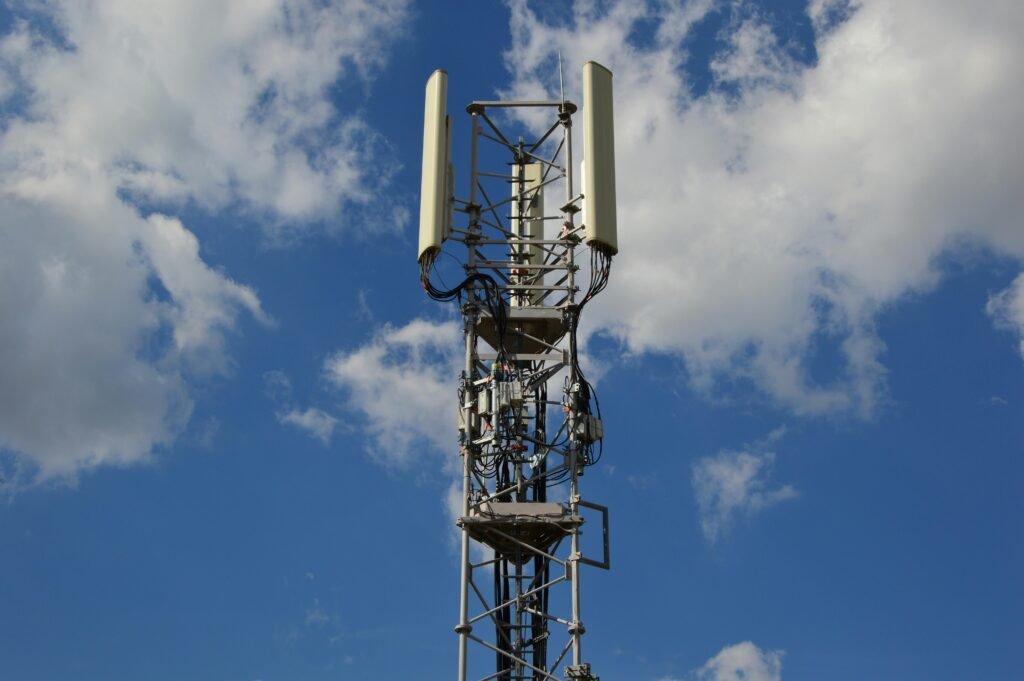
The implementation of 5G will begin shortly; however, the next decade will experience full deployment of 5G networks and more advanced connectivity services.
New services developed on 5G networks, such as driverless cars, telemedicine, and immersive experiences, will require great bandwidth, low latency, and high reliability; additionally, rural and other areas that are currently underserved by high-speed connectivity will begin to receive improved access to digital services thereby reducing the digital divide.
6G will provide even higher levels of connectivity to support new technologies developed over the next ten years that we can’t even imagine at this time.
5. Progress in Biotechnology & Health Care
Biotechnology is going to change the face of Healthcare with more individualized care from biogenetic engineering that allows scientists to alter DNA using technology to cure hereditary conditions.
Wearable Health Technology is going to get smarter, tracking your vitals 24/7 to warn you before you know you have a problem.
Telemedicine is going to expand and allow for greater access to care and more efficient ways to use medical resources.
Furthermore, advancements in regenerative medicine will enable scientists to create organs via bioengineering and/or to heal damaged body parts by growing new tissue for significantly improving the quality of life and potentially elongating the human lifespan.

6. Changes in the Way We Work / Work Remotely Together
The workforce has already begun shifting towards more long-term remote / hybrid work environments; this is a trend that will continue for the foreseeable future. Advancements in technology will make it easier for employees to work together from various locations via virtual reality (VR) and/or augmented reality (AR) to have meetings in VR.
Using VR to create and operate a “virtual office” will allow employees to meet and collaborate in an interactive VR space instead of requiring the existence of office buildings.
Automation is further going to create a major dislocation in the job market, so that employees will need to continuously learn new job skills through lifelong employment and retraining to ensure career advancement.

7. Autonomous Vehicles and Smart Transportation
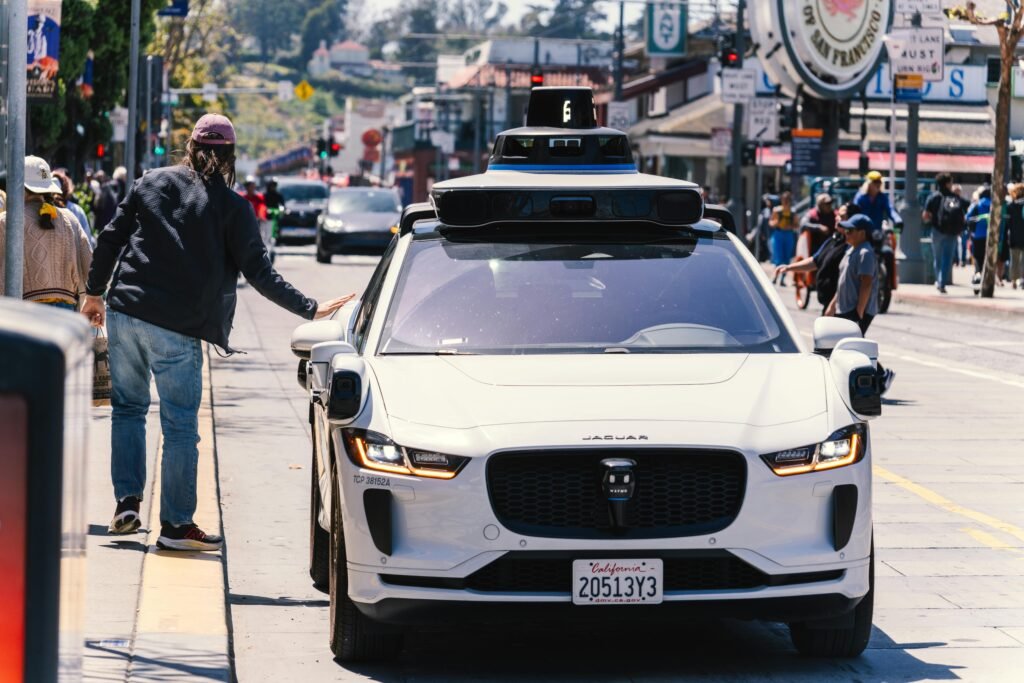
Self-driving vehicles and autonomous transport systems are predicted to become increasingly pervasive in the next ten years due to advances in AI, sensors, and connectivity that will allow them to safely navigate the world without human involvement. In addition, smart transportation systems will reduce traffic congestion, accidents, and fuel consumption. Public transportation may also become more efficient through automation and responsive data analysis.
The technologies discussed above have a lot of potential; however, there are numerous regulatory and safety issues that must first be addressed before widespread use can happen.
8. Renewable Energy and Sustainable Technology
As the world becomes more concerned about climate change, the demand for sustainable technologies will also increase; renewable energy will be produced using solar and wind power at lower cost and increased efficiency.
Energy storage, through advanced battery technologies, will be essential for making renewable energy consistently available. Likewise, implementing smart grids will maximize the use of available energy by preventing waste and making it as efficient as possible.
Additionally, the prevalence of electric cars (EVs) will grow due to advances in charging infrastructure and battery life.

9. The Expansion of Virtual and Augmented Reality
Virtual reality and augmented reality will change the way we use entertainment, education, and business by offering an immersive experience that combines the physical world with the digital world.
In terms of education, virtual reality can allow for interactive learning whereas augmented can enhance the real-world learning experience with digital information added to it. In the business world, both virtual and augmented realities could be used for training, product design, and engaging customers.
As the equipment used for both virtual and augmented realities becomes cheaper and more widely available, we will see increased use and development of each within many different industries.

10. Ethical and Social Issues
Rapid advances in technology also bring about numerous important ethical and social issues. Data privacy, surveillance, and digital inequality are just a few examples of issues that will need to be addressed.
Government, organizations, and individuals must work collectively to ensure technology benefits everyone in society as a whole. This includes developing policies that ensure fairness, transparency, and accountability.
The digital divide is still an issue today, as there are still many communities without the same level of access to technology as other communities have. In order to continue creating inclusive growth, we will need to begin addressing this gap.

11. Space Discovery & Business
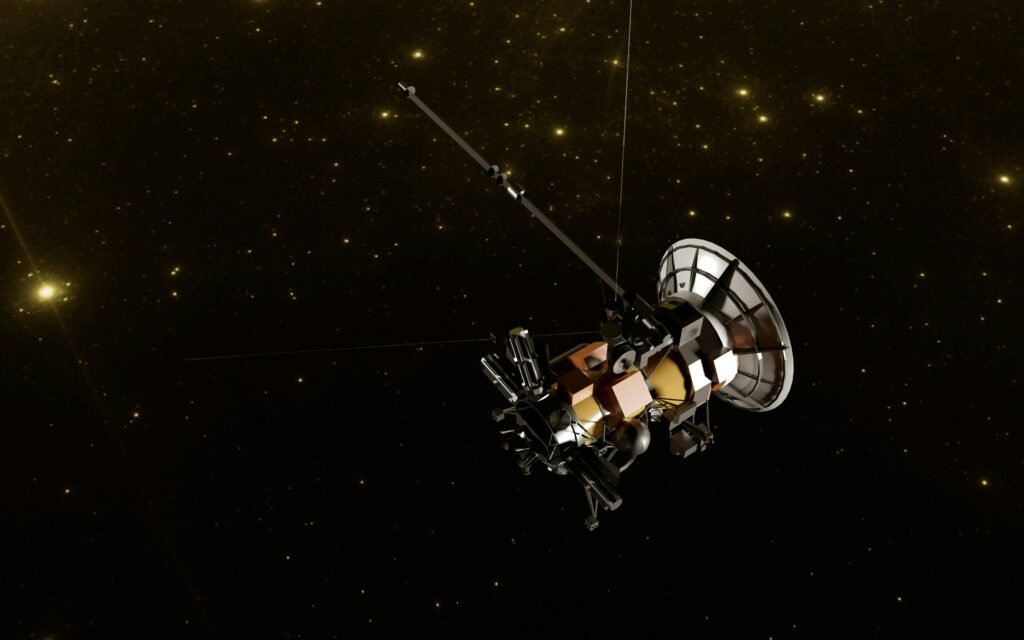
In the next 10 years, we can expect to continue developing space. Many companies (private and governmental) are spending large sums to develop technology for exploring space.
We may also see the beginnings of space tourism, missions to the Moon, and perhaps even plans for expeditions to Mars. Advances in satellites will significantly enhance communication, navigation, & remote sensing observations of our planet.
Lastly, the company (commercial) version of space will create new ways of growing the economy while at the same time creating challenges regarding their regulation/sustainability.
12. Mixing Technology & Humanity
One of the largest changes that we can expect is creating a connection between our bodies and technology; Brain / computer interfacing is a way to let computers work directly with humans.
This will change areas of medicine by not only potentially treating diseases and injuries in the brain, but could also improve how we think (cognitive function); changes like these raise questions as to whether we can see ourselves as human, and will we be able to consider ourselves ethical, moral beings.
Wearable and implantable technology will continue to improve and become more embedded into our daily lives.

Final Thoughts
Over the next decade, significant changes will be driven by technological advancements. New innovations such as AI, quantum computing, biotechnology and renewable energy will completely alter how we live and work.
Although these technologies can provide tremendous opportunities, they also present many challenges. The challenge will be to develop and utilize these technologies in such a way that maximizes benefits while minimizing risk.
In the next few years, adaptability, ethics, and global cooperation will all have an important part in determining how technology continues to extend human capacity and build a more sustainable and equitable society.
Ultimately, the future of technology will not simply be determined by what is possible, but also by how we choose to utilize those possibilities.